
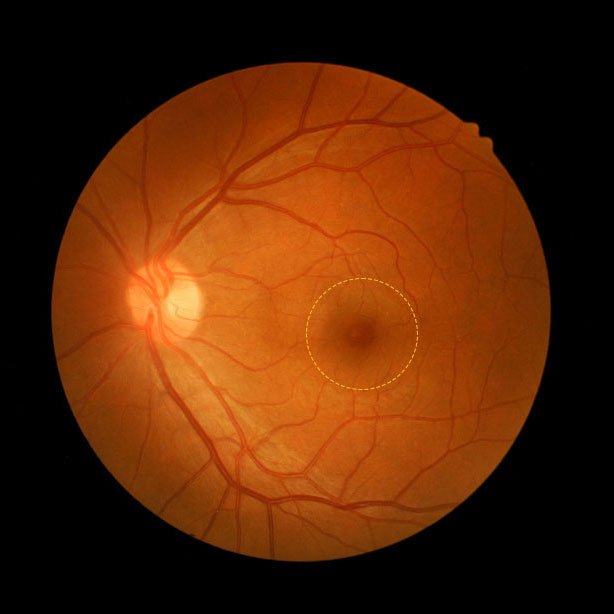
At Dr. Harsh Inder Retina Center, we specialize in the diagnosis and advanced management of various retinal conditions. Among these, Vitreomacular Traction (VMT), Macular Hole, and Epiretinal Membrane (ERM) are three crucial disorders that can affect the macula— the central part of the retina responsible for sharp, detailed, and central vision.
This guide explains what each condition means, the symptoms patients usually experience, and the treatment options available, especially for those seeking Macular Hole Treatment in Patiala.
Vitreomacular Traction (VMT)
Vitreomacular Traction occurs when the vitreous gel inside the eye pulls abnormally on the macula, which is located at the center of the retina. This traction causes the macula to distort, leading to blurry or distorted central vision. VMT can result from the natural aging process when the vitreous, which is a gel-like substance inside the eye, starts to shrink and pull away from the retina.
Common Symptoms of Vitreomacular Traction:
- Blurred or distorted central vision: Objects in your central vision may appear blurry, making it difficult to focus on fine details.
- Difficulty reading or performing tasks: Everyday activities such as reading, sewing, or driving can become challenging due to vision disturbances.
- Metamorphopsia: Straight lines may appear wavy or distorted, making it harder to perceive objects clearly.
Treatment for Vitreomacular Traction:
- Observation: In some cases, VMT may resolve on its own without the need for intervention. Regular monitoring by your ophthalmologist may be recommended.
- Surgical Intervention: If VMT causes significant visual problems, treatment may involve a vitrectomy—a procedure in which the vitreous gel is removed from the eye—or an intravitreal injection of medication to help relieve traction and stabilize vision.
Macular Hole
A Macular Hole is a small break or tear in the macula, the area of the retina responsible for central vision. The macula is vital for seeing details, recognizing faces, and reading. A macular hole disrupts this function, leading to a significant loss of central vision.
Common Symptoms of Macular Hole:
- Blurred or distorted central vision: The most prominent symptom of a macular hole is a gradual loss of clarity in the central vision.
- Difficulty reading or recognizing faces: The central part of your vision may become blurry, making it challenging to read text or recognize faces.
- A dark or empty area in the center of vision: As the hole develops, a blank or dark spot may appear in the middle of your vision.
Treatment for Macular Hole:
- Vitrectomy with Membrane Peel: This surgical procedure involves the removal of the vitreous gel and peeling of the membrane that might be contributing to the hole. The macula is then reattached, and healing is encouraged through the use of a gas bubble.
- Gas Injection: After surgery, a gas bubble may be injected into the eye to help close the macular hole. The patient is usually required to maintain a specific head position to promote healing.
Epiretinal Membrane (ERM)
An Epiretinal Membrane, often referred to as a macular pucker, is a condition where a thin layer of scar tissue forms on the surface of the macula. This tissue contracts and causes the macula to wrinkle or pucker, leading to visual distortion and a reduction in the quality of vision.
Common Symptoms of Epiretinal Membrane:
- Blurred or distorted central vision: A pucker or wrinkling of the macula leads to visual distortion, making objects appear blurry or unclear.
- Metamorphopsia: As with VMT, straight lines may appear wavy or bent.
- Decreased visual acuity: The ability to see clearly may be diminished, impacting everyday tasks like reading and driving.
Treatment for Epiretinal Membrane:
- Observation: If the symptoms are mild, doctors may recommend monitoring the condition without immediate surgery. In some cases, the condition stabilizes on its own.
- Vitrectomy with Membrane Peel: If the ERM causes significant visual problems, surgical intervention is often recommended. During this procedure, the scar tissue is carefully removed from the macula, allowing the retina to regain its normal structure and function.
When to Seek Help
It is important to seek timely medical attention if you notice symptoms related to Vitreomacular Traction, Macular Hole, or Epiretinal Membrane. These retinal conditions can worsen over time and may cause permanent vision loss if not treated early. Choosing early evaluation can greatly increase the chances of preserving your sight and preventing advanced complications.
For individuals searching for Macular Hole Treatment in Patiala, receiving expert care from a qualified retina specialist is crucial. Early diagnosis, detailed imaging, and accurate treatment planning help protect central vision and allow for better long-term outcomes.
Advanced Retina Care at Dr. Harsh Inder Retina Center
At Dr. Harsh Inder Retina Center, we are dedicated to offering advanced, technology-driven care for a wide range of retinal disorders. Our center is equipped with modern diagnostic tools and specializes in comprehensive management of macular conditions, including macular holes, macular puckers, and vitreomacular interface disorders.
Why Choose Us?
Expertise
Dr. Harsh Inder is an experienced and highly skilled retina specialist with extensive expertise in handling complex retinal and macular conditions. His precise approach ensures safe, effective, and reliable treatment outcomes.
Advanced Technology
We utilize cutting-edge diagnostic and surgical technologies that support accurate detection and advanced management of retinal diseases. This ensures that patients seeking Macular Hole Treatment in Patiala receive world-class care close to home.
Personalized Care
Every patient’s condition is unique. We provide customized treatment plans designed to address individual needs, ensuring comfort, safety, and the best possible visual recovery.