
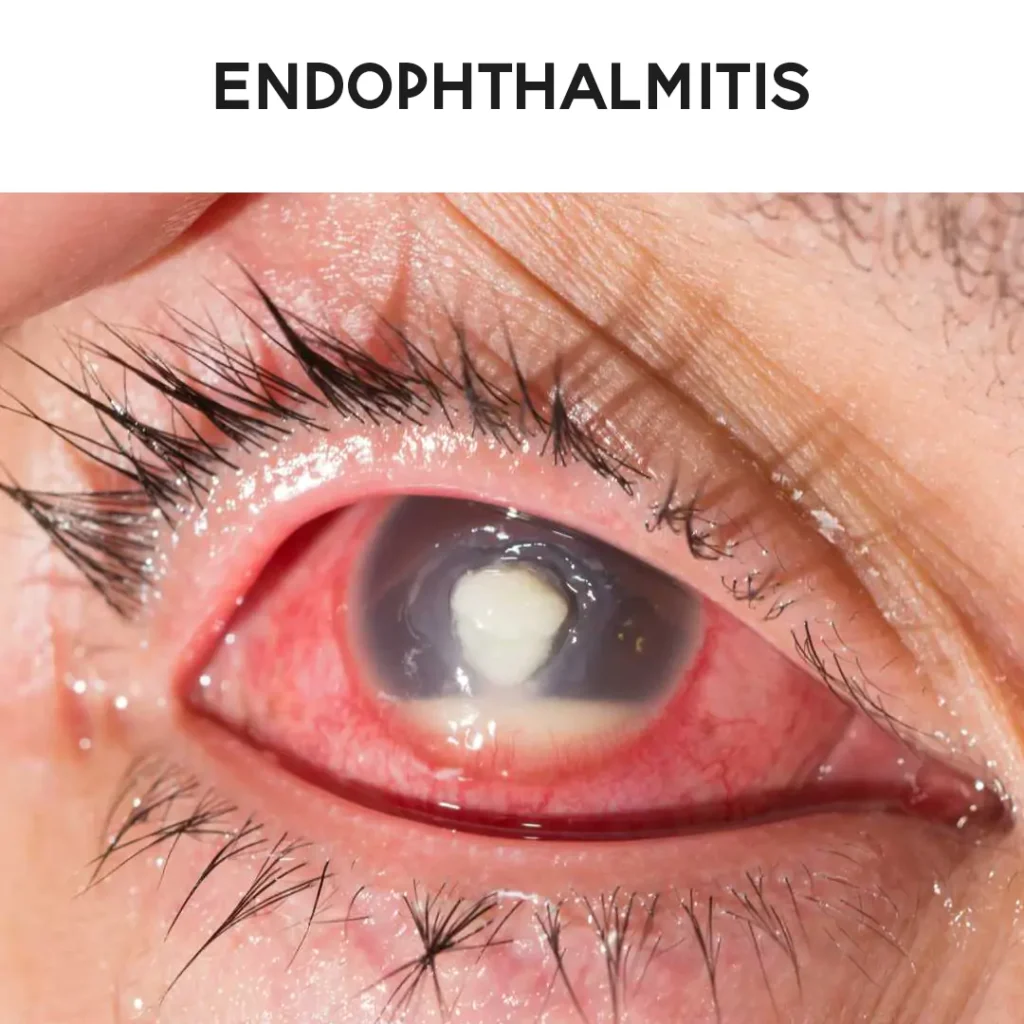
What is Endophthalmitis?
Endophthalmitis is a severe and sight-threatening inflammation affecting the inner structures of the eye. It usually results from an infection caused by bacteria or fungi. The condition affects the vitreous humor (the gel-like center of the eye) or the aqueous humor (the nourishing fluid in the eye). Because the infection spreads rapidly inside the eye, Endophthalmitis Treatment in Patiala focuses on early detection, advanced medical care, and timely intervention to protect vision.
This condition is considered a medical emergency. Anyone experiencing sudden vision loss, eye pain, or redness should seek Endophthalmitis Treatment in Patiala without delay. At The Clinix, immediate diagnosis and modern treatment methods help prevent complications and preserve eyesight.
Symptoms of Endophthalmitis
The symptoms of endophthalmitis can develop quickly and may vary from mild to severe. Key symptoms include:
- Sudden Vision Loss: This may range from blurred vision to complete loss of sight in the affected eye.
- Eye Pain: Often deep, intense, and difficult to alleviate with over-the-counter medication.
- Redness and Swelling: The affected eye may appear inflamed, red, or swollen.
- Increased Sensitivity to Light (Photophobia): You may experience discomfort when exposed to bright lights.
- Floaters: Dark spots or lines may appear and move across your vision.
If you experience any of these symptoms, it is essential to visit an eye care professional immediately. The sooner endophthalmitis is detected, the more likely you are to avoid permanent damage to your eyesight.
Causes of Endophthalmitis
Endophthalmitis often arises as a complication of eye surgeries or injuries. The infection usually occurs when harmful microorganisms, such as bacteria or fungi, invade the interior of the eye. Common causes include:
- Cataract Surgery: Endophthalmitis is one of the most common post-surgical complications, particularly when the surgical wound becomes infected.
- Intravitreal Injections: These injections, commonly used to treat various eye diseases, can introduce infection if not administered properly.
- Traumatic Eye Injuries: Penetrating injuries, foreign bodies, or accidents that disrupt the integrity of the eye may allow pathogens to enter.
- Bacterial or Fungal Infections: These infections can occur spontaneously or develop as a secondary result of systemic infections in other parts of the body.
Understanding the risk factors associated with endophthalmitis can help you take necessary precautions, particularly if you are undergoing surgery or treatment for other eye conditions.
Diagnosis of Endophthalmitis
To diagnose endophthalmitis, your eye care provider will conduct a comprehensive eye examination, which may include the following tests:
- Visual Acuity Test: This test measures the clarity and sharpness of your vision.
- Slit Lamp Examination: A high-powered microscope used to examine the front and back structures of your eye in detail.
- Ocular Ultrasound: A non-invasive imaging test that helps evaluate the presence of inflammation and other potential complications inside the eye.
In some cases, additional tests may be needed to identify the specific type of infection and determine the most effective treatment plan.
Treatment for Endophthalmitis
Immediate treatment is essential to prevent permanent vision loss. Based on severity, the following options are used during Endophthalmitis Treatment in Patiala:
- Intravitreal Antibiotics or Antifungals: These are injected directly into the eye to target and treat the infection. This is the most common treatment for bacterial or fungal endophthalmitis.
- Vitrectomy: This surgical procedure involves removing the vitreous humor to clear out any infected tissue, debris, or pus. This helps alleviate symptoms and reduce the risk of further complications.
- Systemic Antibiotics or Antifungals: If the infection is widespread or affecting other parts of the body, systemic antibiotics or antifungals may be required to combat the infection.
Each case of endophthalmitis is unique, and your eye care provider will recommend a personalized treatment plan based on your specific needs and condition.
Prognosis of Endophthalmitis
The prognosis for endophthalmitis depends on several factors, such as how quickly treatment begins, the extent of the infection, and your overall health.
- Timely Treatment: If treated promptly, many patients recover with preserved vision.
- Severe Cases: In more advanced stages, even with treatment, some individuals may experience permanent vision loss or require further surgical intervention.
- Eye Loss: In rare and severe cases, the infection may lead to the loss of the eye.
It’s important to follow your doctor’s instructions and attend all follow-up appointments to ensure the best possible outcome.
Preventing Endophthalmitis
While not all cases of endophthalmitis can be prevented, there are a few steps you can take to reduce your risk:
- Maintain Strict Sterility: Ensure that all eye surgeries and medical procedures are performed in a sterile environment.
- Use Prophylactic Antibiotics: Your doctor may recommend antibiotics before or after surgery to lower the risk of infection.
- Promptly Treat Eye Injuries: If you sustain an eye injury, seek immediate medical care to prevent infection.
Conclusion
Endophthalmitis is a serious and urgent eye condition that requires immediate expert care. With early diagnosis and advanced medical intervention, it is possible to preserve vision and prevent complications. The Clinix provides reliable, expert-led Endophthalmitis Treatment in Patiala, ensuring personalized care for every patient.
If you experience symptoms such as sudden vision loss, eye pain, or redness, seek help without delay. Your vision is precious, and timely treatment can make all the difference.